


The current onefield notes, not theory
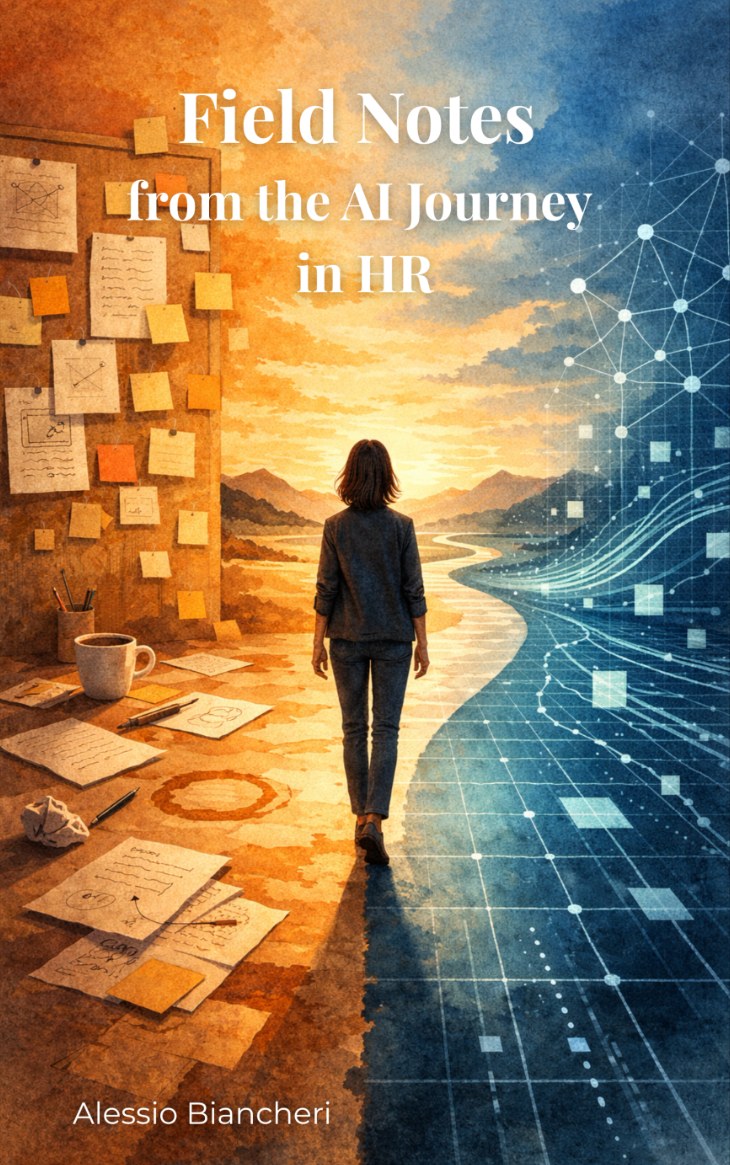
Field Notes from the AI Journey in HR
A practical guide for the people expected to make AI work inside HR, without the hype and without handing judgement to the machine.
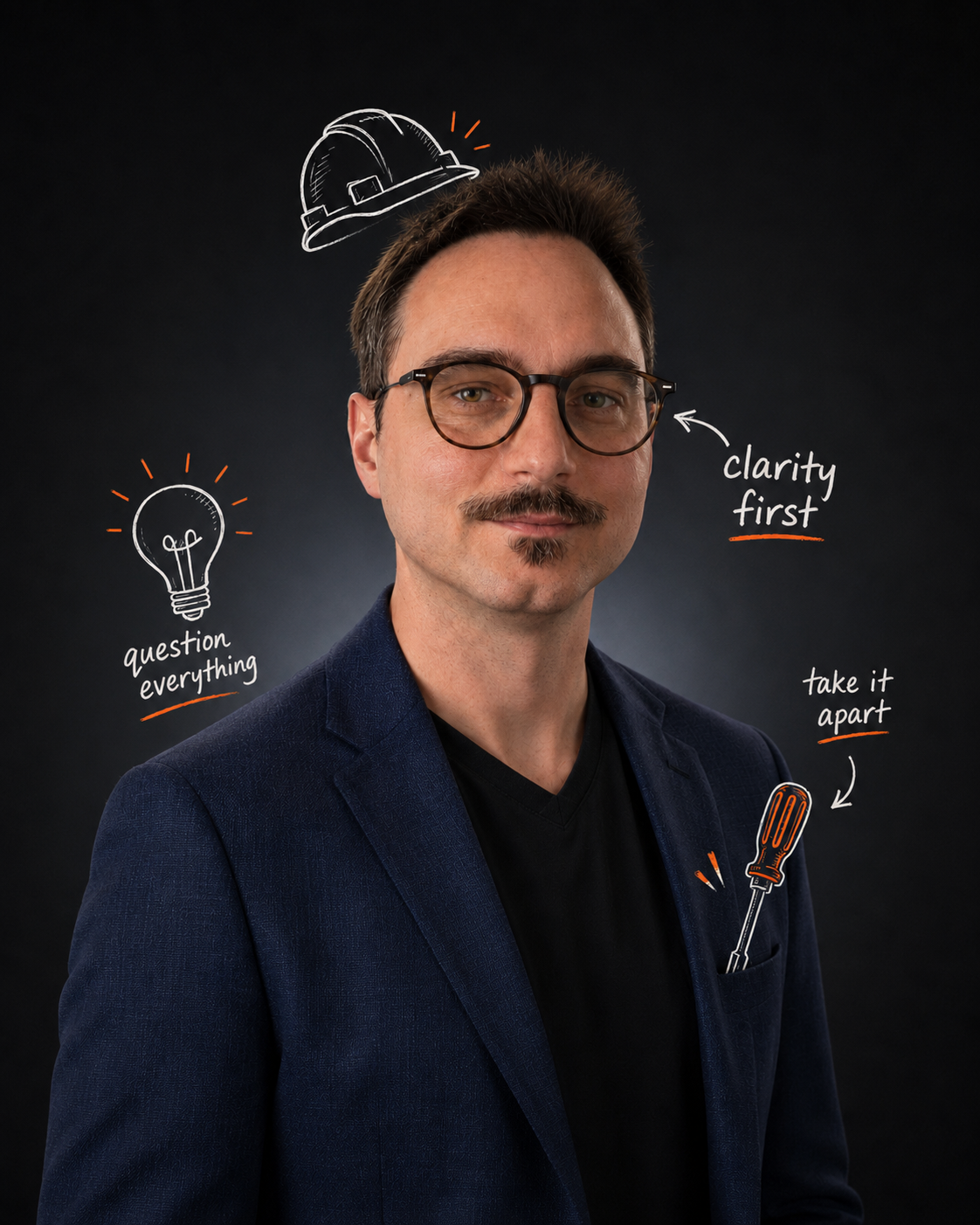
Co-Founder of ignostiq/Author/Builder
Former global HR and transformation leader across Europe and Asia. Co-Founder and CEO of ignostiq. Author of four books on AI and work.
25 countries/Europe + Asia/3 books/Open research
What I am building
AI-native HR softwareFirst product: Pulse360Feedback and development
ignostiq builds HR software that starts from how a company already works, instead of asking the company to work like the software.
Pulse360, our first product, runs the whole feedback cycle: questionnaires built from your own framework, guidance for the people writing the feedback, and a plan a manager can act on.
How ignostiq sees enterprise AI
Example: Pulse360
01 / Organisation context
Frameworks, roles, capabilities, processes, company knowledge
The system starts from how the organisation actually works.
02 / AI-supported workflow
Context-aware assessment, guided writing, analysis and reasoning
AI supports the work without becoming its owner.
03 / Human-owned decision
Manager action, employee development, explainable recommendations
People remain responsible for the final decision.
Models are swappable/No company corpus leaves the boundary
Research and field evidence
Four open preprints from systems we built. Two field reports from 80+ conversations with HR leaders.
Open research
My personal and co-authored papers on AI and technology, released as open preprints under a DOI so anyone can read, cite and challenge them.
5 of 6
models praised the same weak idea more once it was the user's own
3,351 conversations / Six production models / September 2026
DOI 10.5281/zenodo.22842797
Read the paper
82%
chose typing over voice, even when no one ever hears the recording
46 of 56 professionals / One stated-preference question
DOI 10.5281/zenodo.21849899
Read the paper
77%
of audited AI-generated items carried at least one writing defect
37 of 48 items / Two production pilots
DOI 10.5281/zenodo.21323410
Read the paper
Zero
external model calls in the retrieval path
No corpus content leaves the trust boundary during retrieval
DOI 10.5281/zenodo.21322415
Read the paper
Field evidence
I write the ignostiq field reports end to end, turning 80+ conversations with HR leaders across Europe into what the market is actually saying.
Books
Four original books on AI, work and institutions. Field Notes is also published in Italian and Spanish.
A practical guide for the people expected to make AI work inside HR, without the hype and without handing judgement to the machine.
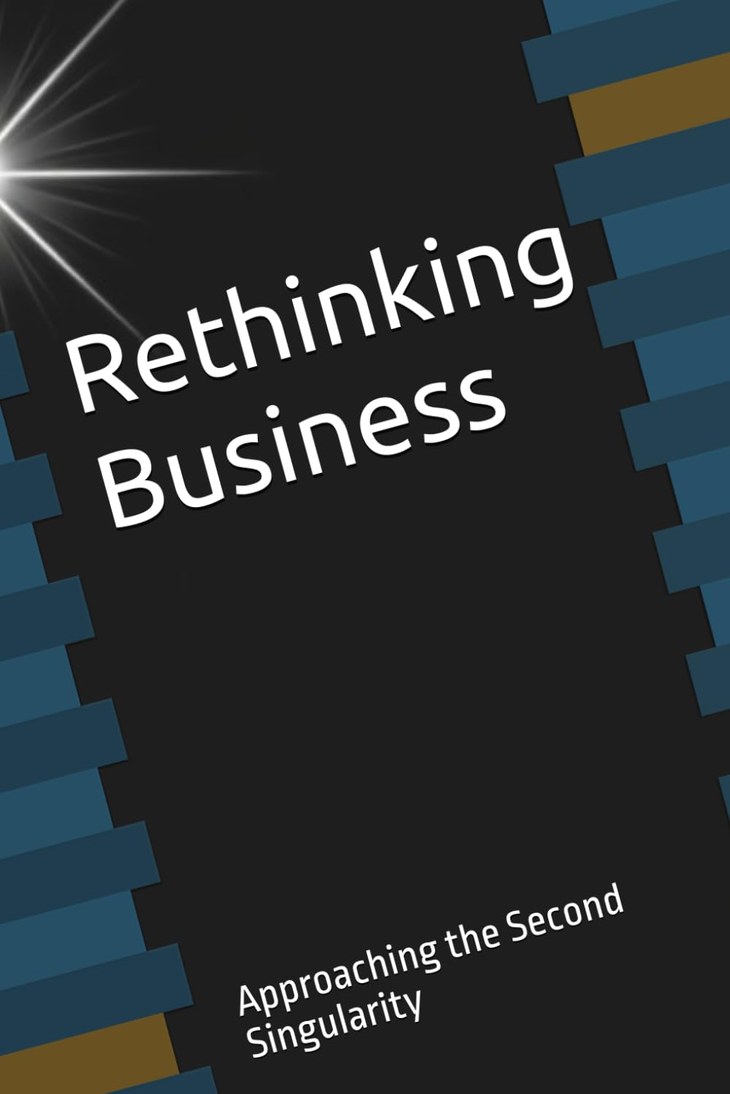
Approaching the Second Singularity
The AI Singularity Series
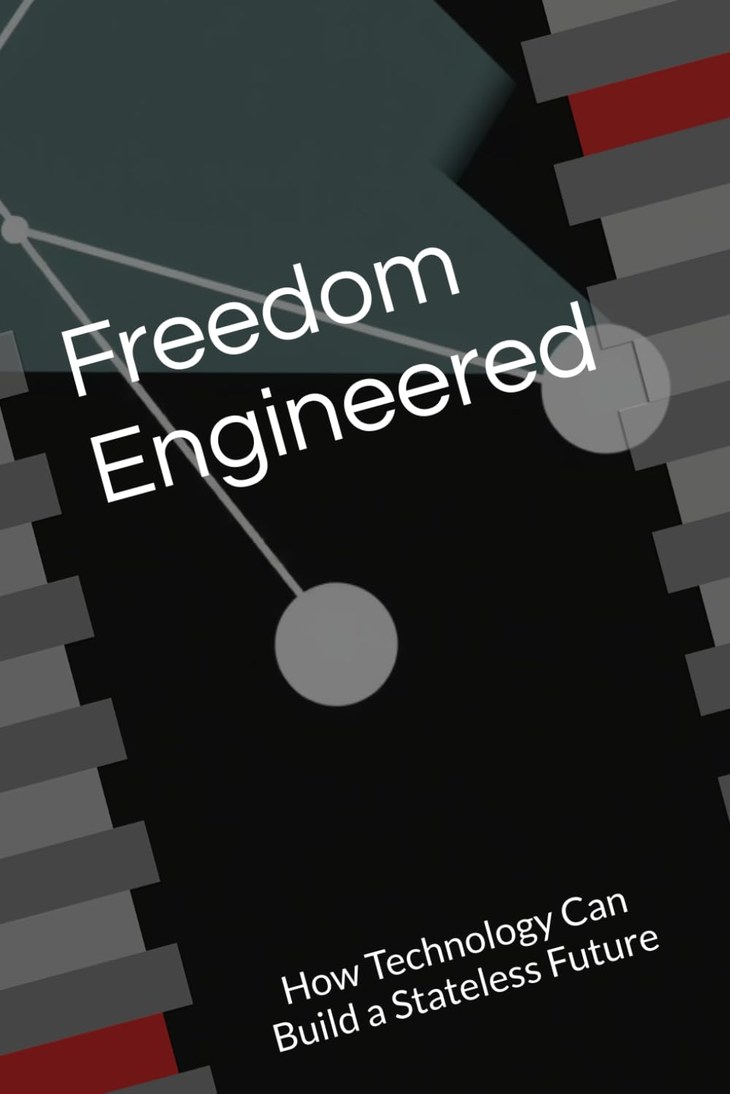
How Technology Can Build a Stateless Future
The AI Singularity Series
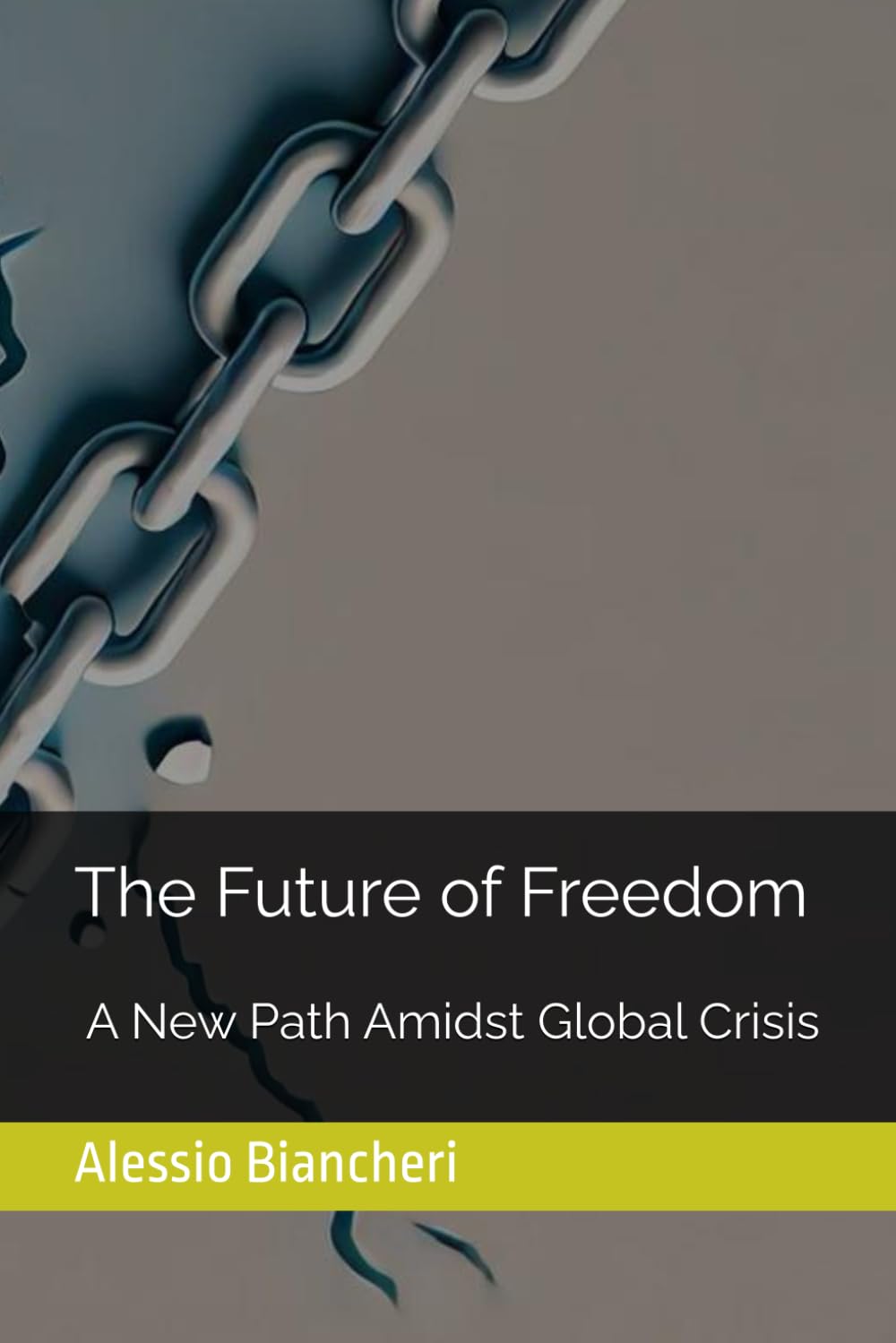
A New Path Amidst Global Crisis
Beyond the Shift
Written after the slogans have stopped being useful.
Read Beyond the Shift on SubstackA brief history of taking things apart, including a few my parents would have preferred remained in the rubbish.
01 / 04/The backpack
Scene 01
My school bag contained screwdrivers, a wrench and, occasionally, a hammer. Not because the curriculum required it.
On the way home, I sometimes found a television, radio or small appliance abandoned beside the bins. Most people saw rubbish. I saw a box that had not yet explained itself.
My parents mostly saw the second trip they would eventually have to make to the recycling centre.
Scene 02
Scientific high school sounded perfect. I imagined experiments, prototypes and things occasionally catching fire for educational reasons.
There were considerably more textbooks.
Economics became interesting because it behaved less politely: its components had incentives, changed their minds and regularly ignored the model. It was the first system I found that refused to stay still while you studied it.
Scene 03
In the early 2000s, friends and I found ways to source computer parts cheaply and sold assembled PCs, workstations and small networks.
At university, I co-founded a consultancy and built e-commerce platforms, CRM systems and reporting tools for small businesses.
It was my first proper taste of entrepreneurship: incomplete information, impatient customers and the strange satisfaction of making something useful actually work.
Scene 04
I entered HR because those early ventures taught me that technology was never the whole engine.
The same people, arranged differently, can produce completely different outcomes. One plus one can become two, three or occasionally five.
Fifteen years inside global organisations taught me where that multiplication comes from, why transformation often fails and why software designed without understanding the work usually creates more of it.
That is the long version of how I ended up building ignostiq.
The short version is simpler: I have always been interested in systems, and organisations are the most interesting systems I know.
Speaking, interviews and working sessions
I am most useful when the conversation needs to move from AI slogans to operating choices.
Keynotes and panels
Turn debates about AI in HR into practical choices about judgement, accountability and design.
Podcasts and interviews
What building AI inside HR reveals about adoption, failure and organisational behaviour.
Executive roundtables
Where AI should assist, where humans stay accountable, and how organisations avoid architectural lock-in.
Get in touch
For interviews, panels, podcasts, speaking or research collaboration, send a note. I read everything myself.
Prefer LinkedIn? Connect there.